
A Primer On Golf Course Types
What is a links golf course? Or a Heathland? Moorland? Let's talk.

The Open is in full steam and the one thing that is consistent with any course on the Open “Rota” - because the courses can look quite different between Birkdale, Portrush, St Andrews, etc. - is that they MUST be links courses. I think that this term specifically might be the most misused term in golf, even by the golf courses that use them! So here’s my attempt at a primer to help.
PARKLAND GOLF COURSES
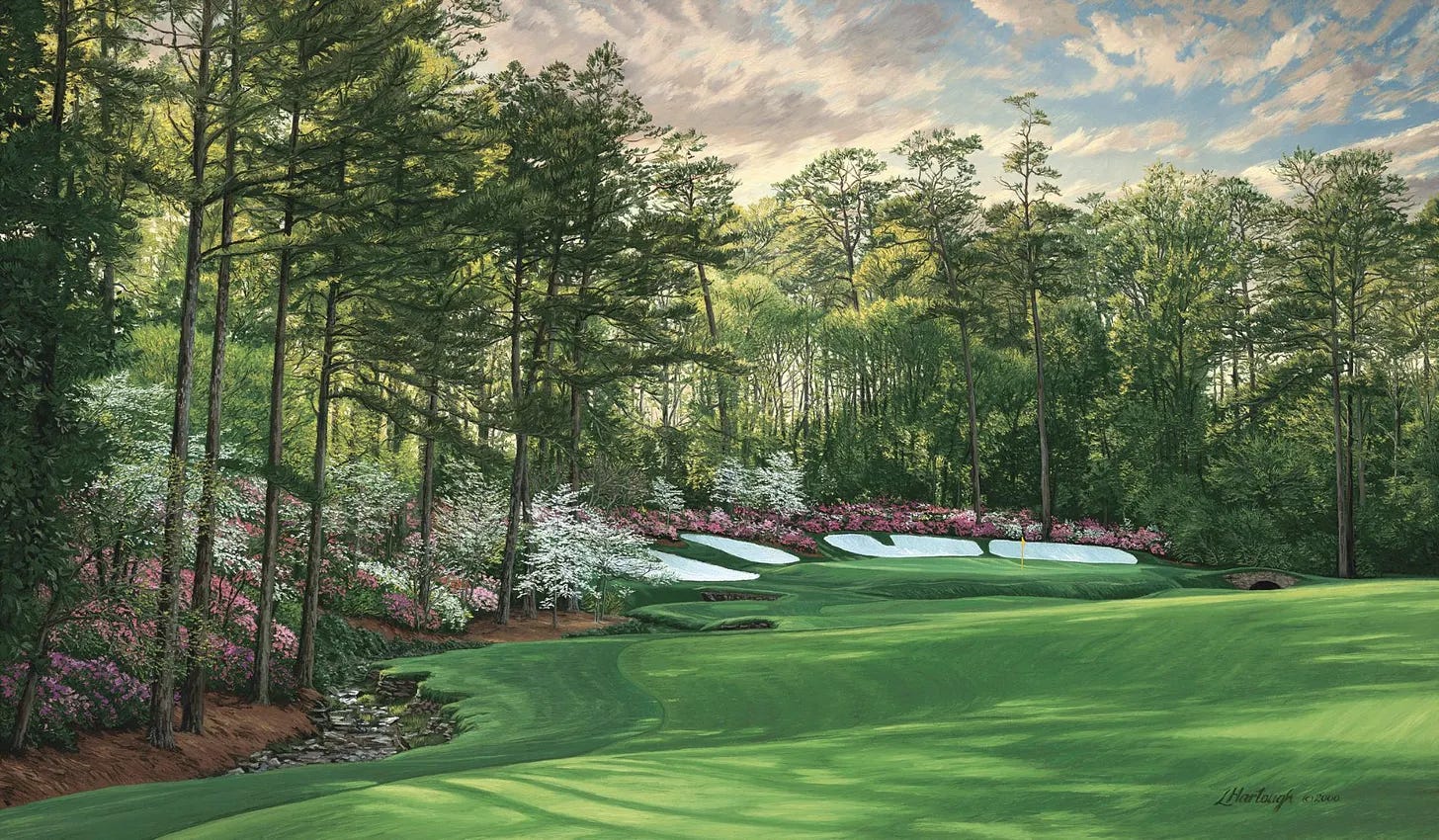
These are the golf courses you probably have played on the most - they are the most common, they typically have many trees on them - though this isn’t as true anymore — there are often man-made water hazards such as ponds (and even waterfalls, sigh) — the most defining aspect is that when your ball lands on the fairway, it typically doesn’t roll out that far, because the ground is soft. Critically, underneath the grass there is dirt or some type of material that doesn’t drain particularly well. Classic courses like this are really a take your pick but if you’d like an example of the best parkland course, how about this one?
LINKS GOLF COURSES
This is probably the most mis-used label for a golf course I can think of. Many people think any course on the seaside is a links. Or that any course with lumpy fairways is a links. Neither is true. But neither actually HAS to be true either! In theory, a true links course LINKS the land to the sea, so it is on the coast (and true snobs will therefore say that courses atop cliffs cannot there be links courses and those people? They need new hobbies.)
Critically, the course itself needs to have sand underneath the grass. This typically is the result of having been underneath the ocean thousands of years ago, and having been shaped by the pounding of waves. (Hence, the link between the … okay, you get it.) But, sand can be the base of the soil for lots of reasons so we don’t need to stand on ceremony. Sand Valley and Mammoth Dunes in Wisconsin play like links courses because of that sand base and I don’t really care who wants to say they aren’t on the coast. Tell it to Mike Kaiser.
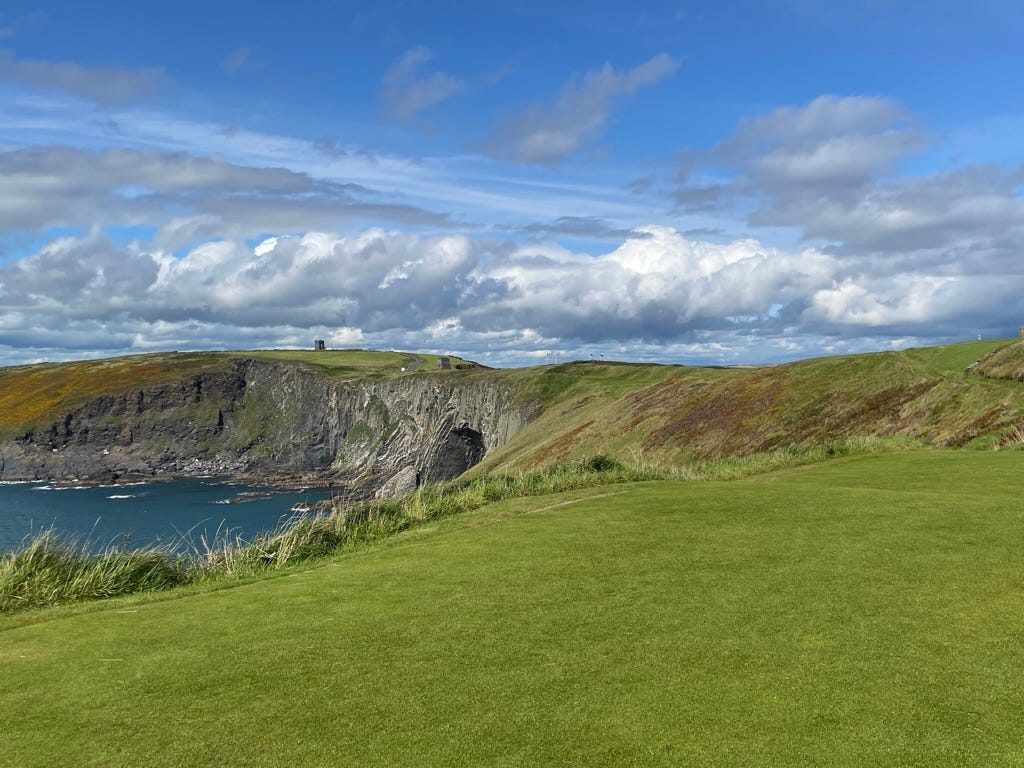
But plenty of seaside courses do NOT have sandy soil. Take Pebble Beach, for instance. Or take “Old Head Golf Links,” as another example. This insanely expensive, gorgeous course is many things - but it’s not a links course.
There’s a sound - a THUNK - when your ball hits the ground on a links course that is unmistakable, and you have to play the game completely differently. If the flag is 170 yards away and there’s no wind, on a parkland course you are probably hitting your shot 160 yards or so. On a links course you are typically using the ground, often through a bump-and-run shot. If you don’t know how to hit an 8-iron like a putter before you head to the British Isles, you will by the time you come home. You typically won’t see many, if any trees on a links course so the wind is always a factor - it is something you have to think of on every shot - or, if somehow it is a day without wind, the course will be suddenly absolutely gettable. FIRE AWAY. Instead of hazards like ponds, creeks and woods, here the hazards are gorse bushes and pot bunkers.
I think regrettably that people have started to use the term “links” as a synonym for “golf course” which makes this more confusing. Take, for instance, the following golf course - The Links at Teton Peaks in Driggs, Idaho. The first inkling that this is not a links is its location:
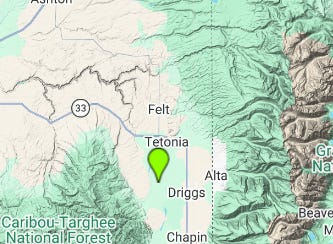
Yeah, inside a mountain range next to a national forest isn’t the traditional location for a links - or even a links-style - course. But let’s look at some photos to give them the benefit of the doubt.
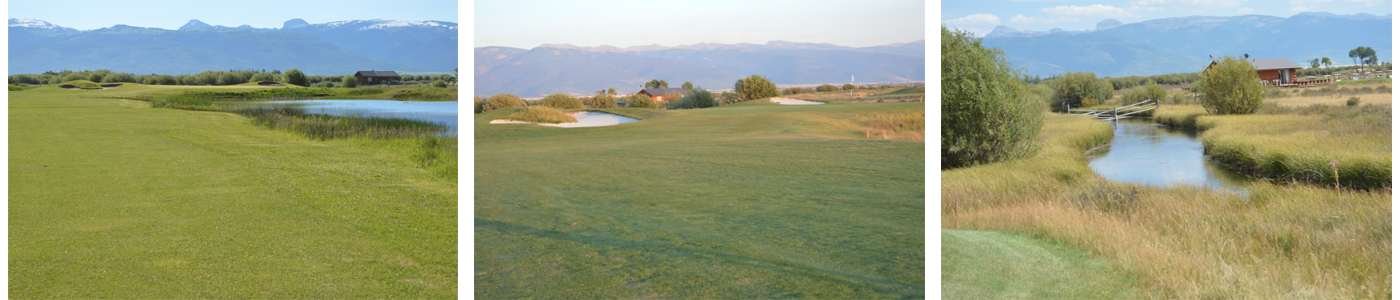
And…. we are done here. This is three different views of the 18th hole, and while the last one could be considered a “burn” or a river that rolls through traditional links, this is simply a parkland golf course. And maybe a fun one. But it is simply not a links golf course.
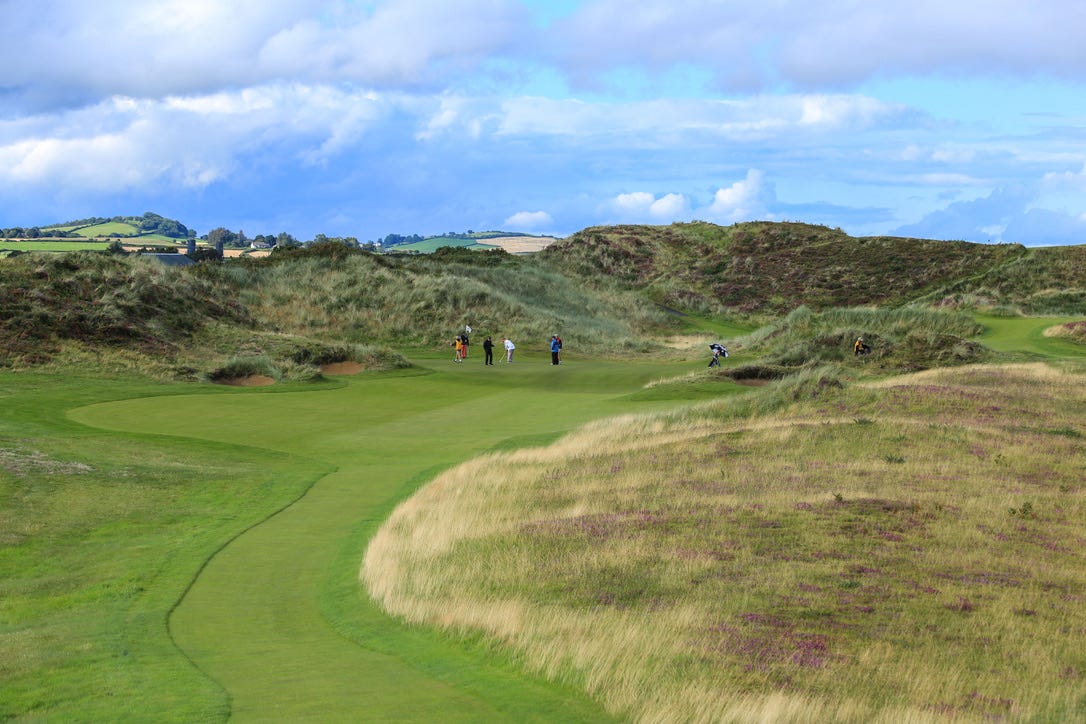
Another note - one thing that Americans struggle with actual links courses is that they often don’t look great on TV. The Old Course, for instance, is most recognizable for the Swilcan bridge and the hotels that border the first, 17th and 18th holes, and less the course itself. But there is so much variety in links that it’s silly to reduce it to just that course (though, shame on you if you think of The Old Course as anything but a classic). But here’s another photo from a basically perfect links course to illustrate the variety links can have:
HEATHLAND GOLF COURSES
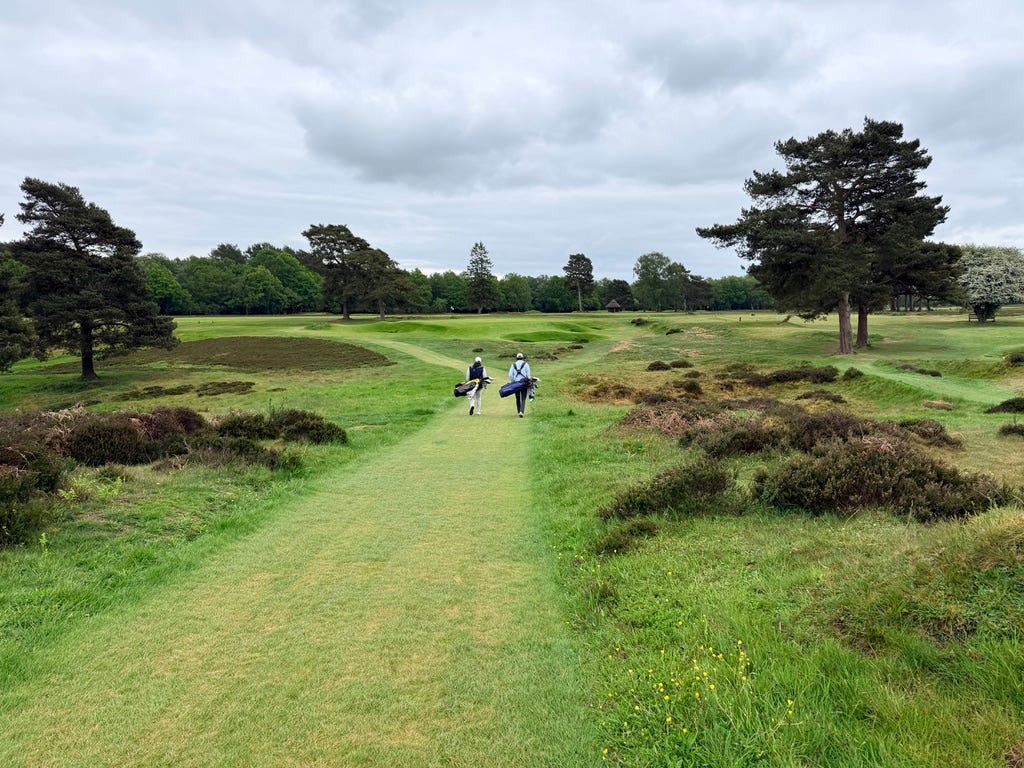
This is the style of golf courses we went searching for in England and found with great success. They share a similarity with links in that the ground is also firm and fast, built on sandy soil - but as inland courses, they aren’t “linked” to the sea. They also are typically lined with trees like pines (which you’ll also see in places like Pinehurst and Monterey), but the biggest difference is that off the fairways instead of a “first cut” of rough you will find vegetation of flowering plant like heather and gorse (hence the “heath” of heathland). In some ways, this is the happy medium where you get the firm and fast of a links course without the brutal wind, but when it’s wet, that heather can be incredibly hard to play out of (he says from experience). Some of the very best courses in the world are heathland and once you get a taste, it’s like a drug. I need more.
MOORLAND GOLF COURSES
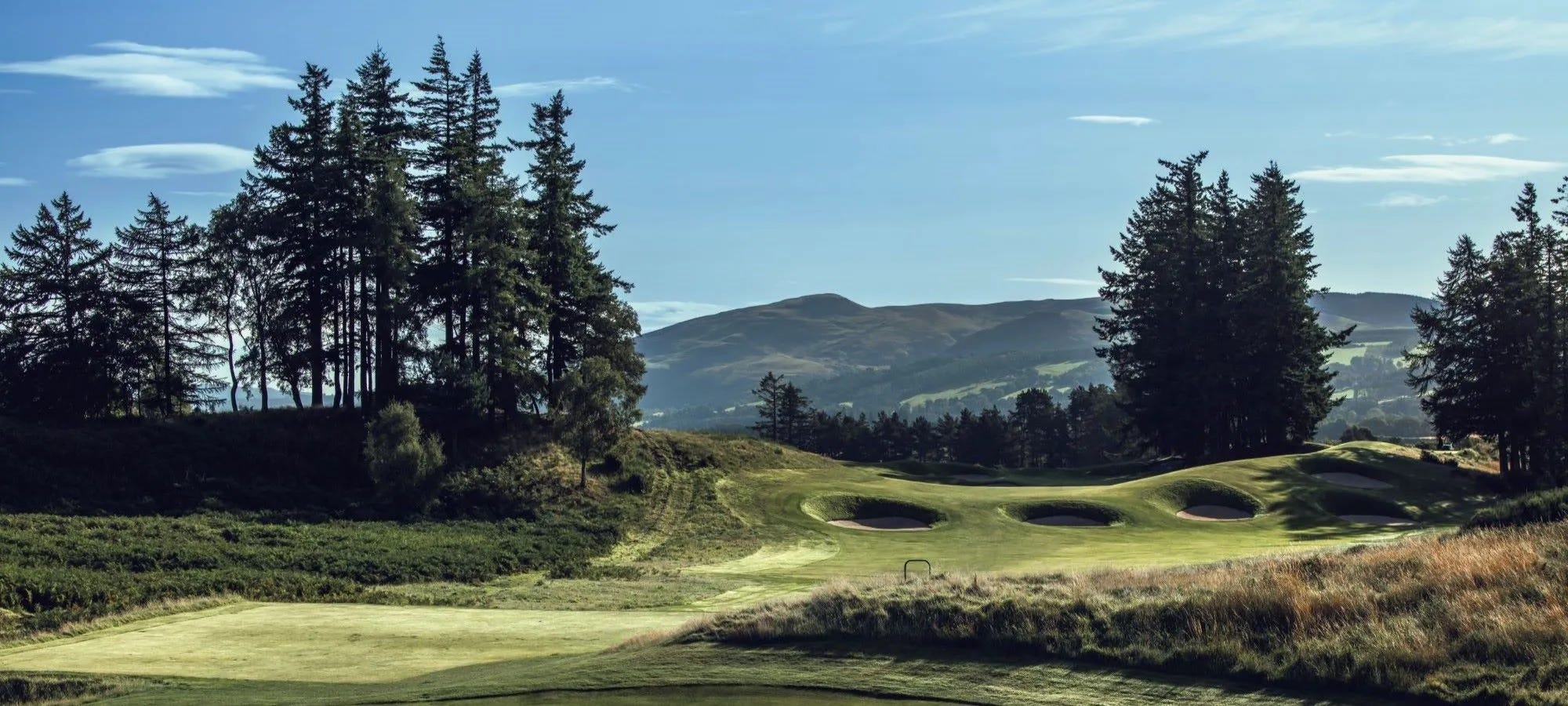
Take a heathland golf course with the heather, gorse but put it on higher elevation and on worse draining soil. If some natural ravines exist, that’s great to help with water runoff for drainage so things don’t get too soggy.
Great! That soil is now going to be softer and easier to walk on but slower and softer. The terrain can and often is quite varied - there may be hills and uneven slopes, there can be heather and gorse, but also things like natural marshes or peat bogs.
You’ve got yourself a moorland golf course - and these can be really special in their own way. In my mind, this is like the mix of a parkland, heathland and a links with a weird grab bag of what, exactly it will look like at the end. And that’s part of the fun.
SANDBELT GOLF COURSES
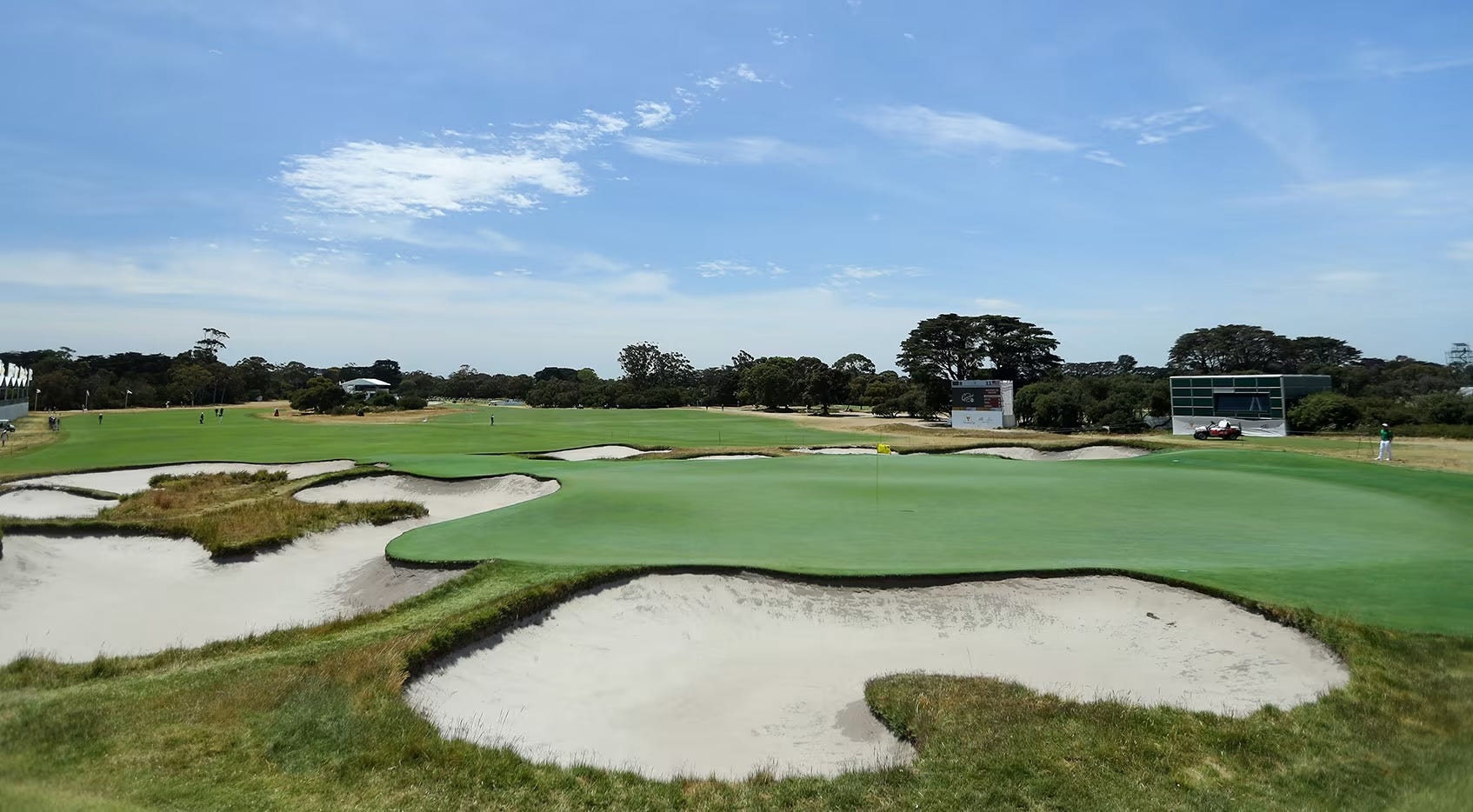
A sandbelt course shares many attributes with links and heathland courses - a sandy soil base that drains well, leading to firm and fast fairways and firm greens. These green complexes (sorry, I love this term) are often multi-tiered, speedy and because of how the bunkers are shaped can lead to balls falling right into the bunkers. Why? Because of how the bunkers are shaped. Those bunkers are cut essentially directly into the greens, making it quite easy to putt off the green right into a bunker. Normally, you’ll see a collar of rough, either short or long grass that grabs a ball (sometimes this is worse than it going into the sand, quite frankly)
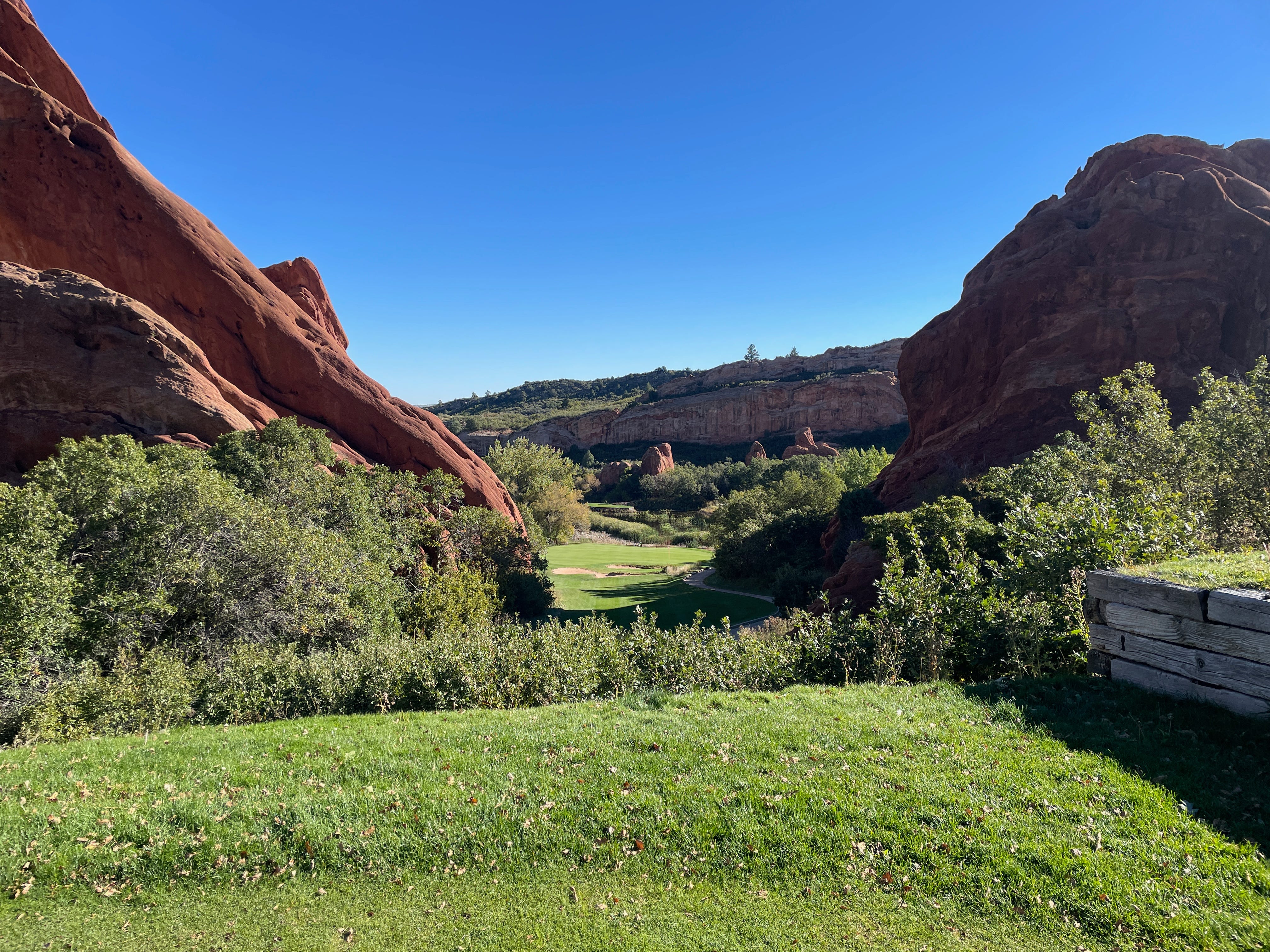
The above are the classic types of golf courses but we … are not close to being done, guys. Mountain golf courses are what they sound like. Sure, moorland courses are in higher elevations, but mountain courses ramp that up - a lot. The altitude is part of the challenge, and the ball typically flies farther because of it. Because of the elevation, the course is usually elevated and sloped, creating more often a target-golf style course. In the winter, these of course can be closed when it snows or quite cold at the least, and in the summer these are unbelievably scenic spots.
DESERT GOLF COURSES
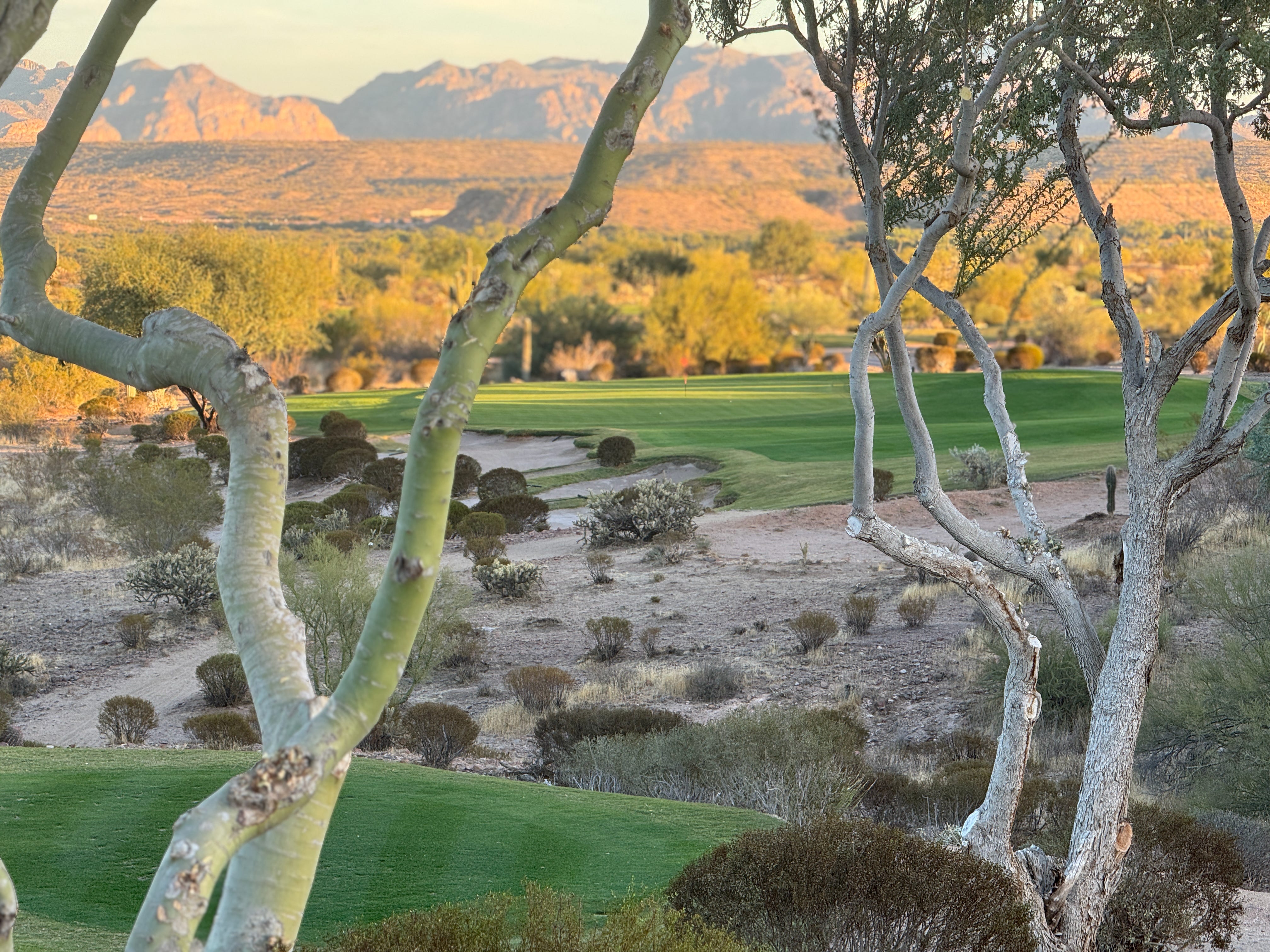
Just like mountain golf courses, desert golf courses have the tendency to help your golf ball fly farther - not from altitude (they tend to be close to sea level) but because the temperature can be so warm that it helps the ball fly farther. The out of bounds areas tend to be more waste areas - you’ll usually find your ball, as long as it isn’t stuck in a cactus or a snake isn’t wrapped around it.
Typically, the fairways and greens are artificially maintained - that is, the course works hard to keep these islands of grass alive in the midst of this arid space. If you miss that area, your ball will be lying around rock, dirt and aforementioned desert wildlife. Also, remember to stay hydrated.
There are other variations of golf courses (stadium courses, for instance, are those designed purely for spectators and in theory could be any of the above, just designed for crowd flow and grandstands which in theory shouldn’t change gameplay).
What’s your favorite style of course? For me, it’s still a links golf course … but heathland is coming up close.
This is fantastic. I knew none of this, perhaps because my game is such that the ground has never really come into play.